 $ AUD

Blog
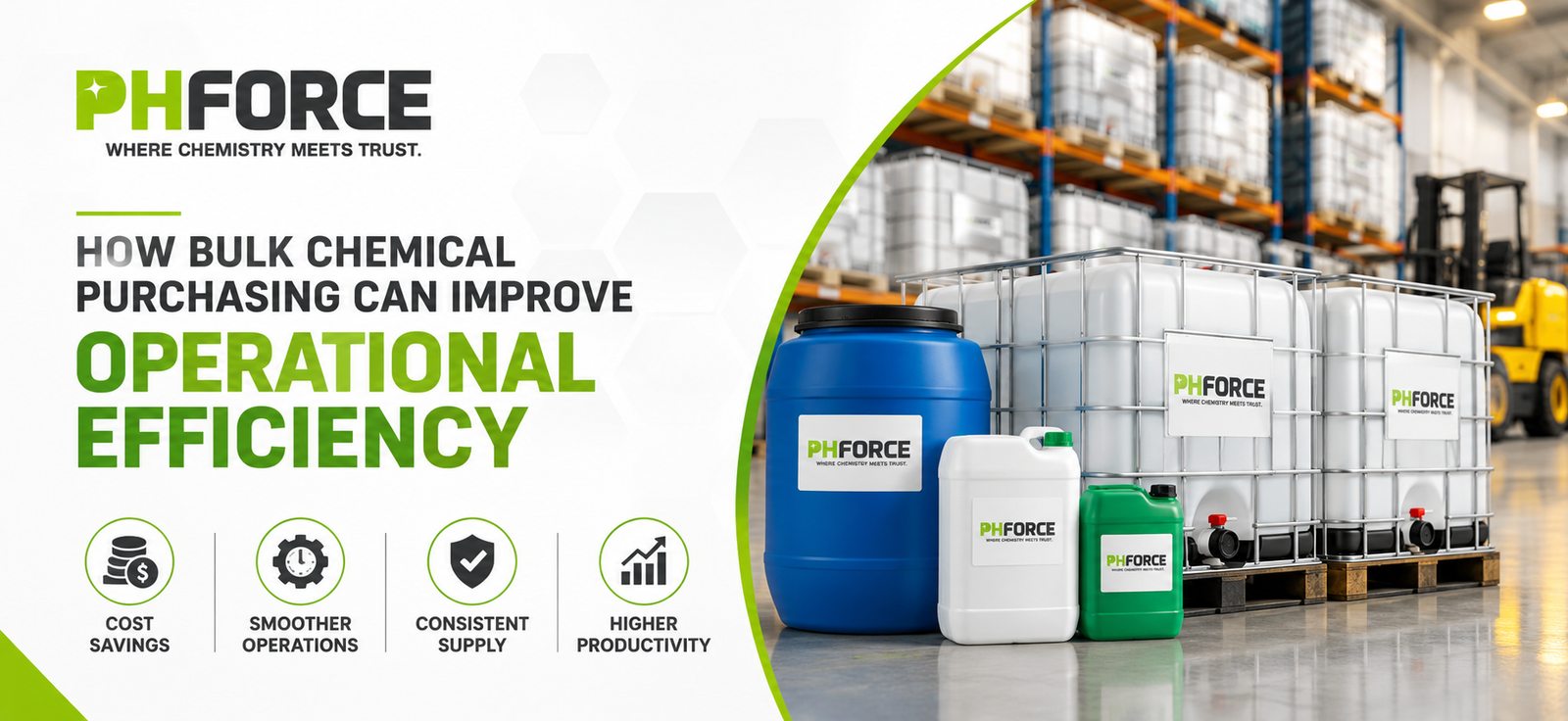
How Bulk Chemical Purchasing Can Improve Operational Efficiency
For businesses that use chemicals regularly, purchasing decisions can have a direct effect on operating costs, stock availability and day-to-day productivity. Ordering small quantities whenever supplies run low may seem convenient, but frequent purchasing can create extra administration, higher freight costs and a greater risk of running out of essential materials. Bulk chemical purchasing can provide a more organised approach. By combining orders, planning stock requirements and working with a reliable supplier, businesses can reduce unnecessary procurement activity while maintaining the chemicals they need for ongoing operations.
Reduce Purchasing and Supply Costs
One of the clearest advantages of bulk chemical procurement is the potential to reduce the cost associated with each purchase. Larger orders may provide access to volume pricing, while consolidated deliveries can reduce the frequency of freight and handling charges.
The saving is not limited to the price paid for the chemical itself. Every purchase can involve staff time spent requesting quotes, raising purchase orders, checking deliveries and processing invoices. Reducing the number of transactions can lower this administrative workload as well.
For businesses with consistent chemical requirements, wholesale chemical purchasing can therefore support better overall cost control. However, the quantities purchased should still reflect actual consumption and available storage capacity.
Spend Less Time on Repeated Orders
Frequent ordering creates a procurement cycle that operations teams have to manage repeatedly. Staff must monitor stock, contact suppliers, confirm prices, arrange delivery and update records each time an order is placed.
Purchasing chemicals in bulk reduces the frequency of these activities. Instead of responding to every short-term shortage, procurement teams can plan larger orders around expected consumption and supplier lead times.
This makes the purchasing process more predictable and gives staff more time to focus on operational priorities rather than repeatedly sourcing routine supplies.
Improve Supply Reliability
Running out of a chemical that is essential to an operational process can cause delays, interrupted production or unplanned purchasing at less favourable terms. Maintaining an appropriate level of reserve stock can provide greater protection against unexpected demand or supplier delays.
This is where chemical inventory planning becomes important. Bulk purchasing should not mean filling a storeroom without considering how quickly products are used. Businesses need to understand consumption patterns, lead times and storage requirements before deciding how much stock to hold.
| Procurement approach | Potential operational impact |
| Frequent small orders | More administration and delivery cycles |
| Planned bulk orders | Fewer purchasing cycles and consolidated deliveries |
| Poor stock forecasting | Higher risk of excess or insufficient inventory |
| Data-led inventory planning | Better control over stock levels and reordering |
Make Inventory Management More Predictable
Effective commercial chemical buying starts with knowing what the business actually consumes. Review historical usage to identify regular demand, seasonal changes and products that have unusually long or unpredictable lead times.
A business may find that some chemicals are suitable for larger scheduled orders, while others should continue to be purchased in smaller quantities. This distinction helps avoid tying up unnecessary capital in stock that may sit unused.
Digital inventory systems can make this process easier by tracking quantities, recording usage and setting reorder points. Maintaining current Safety Data Sheets (SDS) and other relevant documentation alongside inventory records can also support better control of chemical stocks.
Consider Local and Reliable Supply Options
Supplier location can also influence operational efficiency. Working with a regional supplier may shorten delivery times and provide greater flexibility when requirements change unexpectedly.
A dependable supplier should be able to provide consistent product availability, appropriate documentation and clear delivery arrangements. For businesses considering bulk supply solutions, reliability matters alongside price. A lower unit cost has limited value if deliveries are inconsistent or stock cannot be supplied when required.
Avoid the Risks of Overbuying
Bulk purchasing is not automatically more efficient in every situation. Ordering substantially more than the business can use may tie up working capital and consume valuable storage space.
Before placing a larger order, consider:
- Average and peak consumption
- Supplier lead times
- Available storage capacity
- Product shelf life and storage requirements
- Cash flow and purchasing budgets
This approach keeps chemical cost management connected to actual operational needs rather than focusing solely on the lowest purchase price.
Build a More Efficient Procurement Process
The strongest results come when bulk purchasing becomes part of a wider procurement strategy. Businesses can review historical usage, establish sensible reorder points, consolidate suitable orders and regularly compare supplier performance.
With better forecasting and inventory visibility, bulk chemical purchasing can reduce repetitive purchasing work while helping businesses maintain a more reliable supply of essential materials. The objective is not simply to buy larger quantities—it is to create a purchasing system that is easier to manage, financially sensible and aligned with operational demand.
Conclusion
For businesses that use chemicals consistently, a planned purchasing strategy can make a noticeable difference to everyday operations. Lower unit costs, fewer procurement cycles, consolidated deliveries and better stock availability can all contribute to a more efficient supply process.
The key is to balance purchasing volume with actual consumption, storage capacity and cash flow. With accurate forecasting, suitable inventory controls and a dependable supplier, bulk chemical procurement can become a practical part of long-term operational planning rather than a simple cost-cutting exercise.
If your business is looking for a more reliable way to manage its chemical requirements, explore GL Roofers’ broader supply capabilities or contact the team to discuss your commercial chemical purchasing needs.
FAQs
- Is bulk chemical purchasing always cheaper?
Not necessarily. Larger orders may reduce unit and delivery costs, but businesses should also consider storage, cash flow, usage rates and product requirements before buying in bulk.
- How does bulk purchasing improve procurement efficiency?
It can reduce the number of purchase orders, supplier negotiations, deliveries and invoices that procurement teams need to manage, freeing staff to focus on other operational priorities.
- How much chemical stock should a business keep?
There is no universal quantity. Stock levels should reflect historical usage, expected demand, supplier lead times, storage capacity and the importance of each chemical to ongoing operations.
- What is the role of chemical inventory planning?
Chemical inventory planning helps businesses forecast demand, establish appropriate reorder points and avoid both stock shortages and unnecessary overstocking.
- Can local suppliers improve bulk chemical procurement?
A reliable local or regional supplier may provide shorter delivery times and greater flexibility, which can be valuable when businesses need consistent access to regularly used chemicals.