 $ AUD

Blog
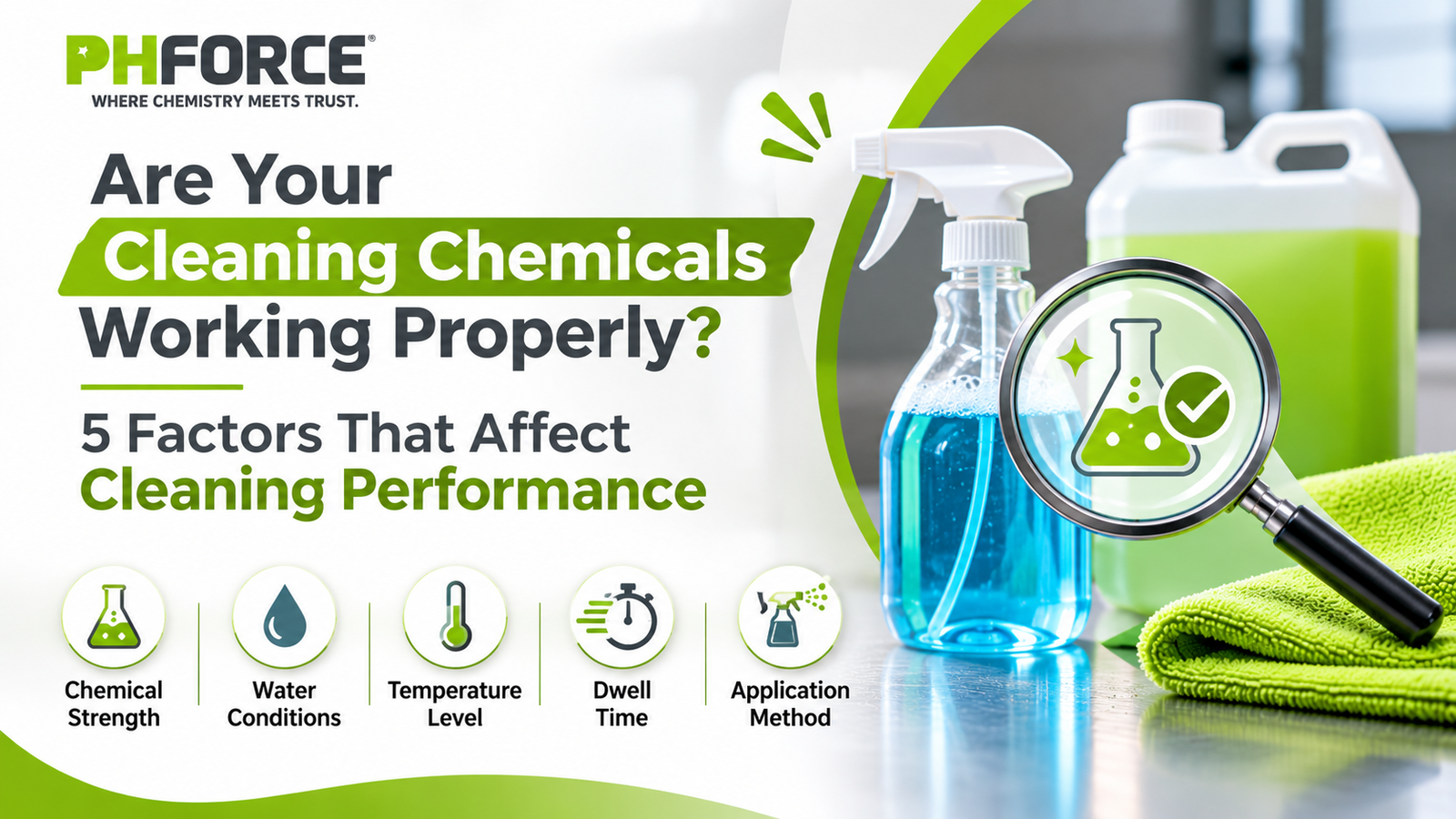
Are Your Cleaning Chemicals Working Properly? 5 Factors That Affect Cleaning Performance
 You buy a good product, follow your usual routine and the surface still looks dirty. It’s frustrating and many people blame the chemical first. But the product is only one part of the job. Several cleaning performance factors decide whether a clean is quick and easy or slow and patchy. Think about how you mix it and how long it sits. Even the water from your tap matters. If you’re buying cleaning chemicals Melbourne suppliers stock, knowing these basics can save you time and money. Here are five things to check when your results don’t match what you expected.
1. How Much Product You Use
Most concentrates are made to be mixed with water. Use too little and the mix is too weak to break down grease or grime. Use too much and you get streaks, a sticky film and a lot of extra rinsing. It also burns through your stock faster than it should.
Follow the dilution ratio on the label. Use a measuring cup or a dosing system instead of a “good glug” into the bucket. Of all the cleaning performance factors, this is the most common problem and the easiest to fix.
2. How Long The Chemical Stays On The Surface
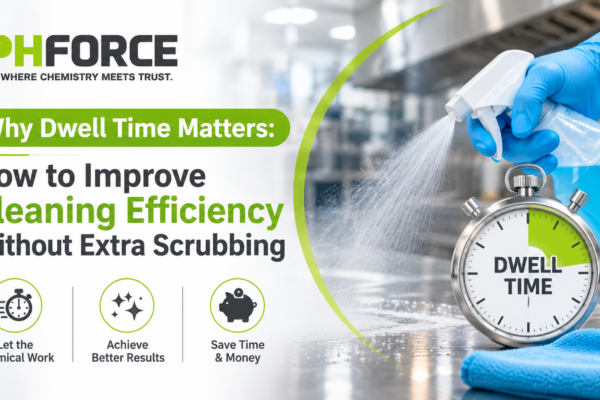
Cleaning chemicals need time to work. If you spray and wipe straight away, the product has no chance to loosen the dirt. You end up scrubbing harder to make up for it.
Disinfectants are stricter. They have to stay wet on the surface for the contact time on the label, or they won’t kill germs properly. Most general cleaners need a few minutes. So spray, wait, then wipe. Just don’t let the product dry out on the surface, because that can leave marks or residue.
3. Water Temperature
Warm water helps most cleaners work faster. Heat softens grease and helps the chemical spread and dissolve. A kitchen with baked-on fat will clean far better with hot water than cold. Cold water is fine for light jobs like dusty benches or glass.
Hotter isn’t always better, though. Some products lose strength or give off strong fumes if the water is too hot. Check the label for the best temperature range before you fill the bucket.
4. Water Quality and Clean Tools
Water is the biggest ingredient in most cleaning mixes, so its quality counts. Hard water has more minerals in it. These can react with some cleaning chemicals and leave scale, spots, or a dull film. Melbourne’s mains water is fairly soft, but tank water, bore water, or sites outside the city can be different. If you see white marks after cleaning, hard water could be the cause.
Dirty tools cause the same kind of trouble. A grey mop bucket or a worn-out cloth just moves soil from one spot to another. Change the water often and swap tired clothes and mop heads for fresh ones.
5. The Type of Dirt and the Type of Surface
This one catches a lot of people out. Different dirt needs different chemistry. Grease and oil respond well to alkaline cleaners. Scale, rust and soap scum usually need an acidic product. If you pick the wrong type, nothing much happens, or you damage the surface.
The surface matters just as much. Stainless steel, stone, timber, vinyl and painted walls all react differently. An acid cleaner on natural stone can etch it for good. Always check that the product suits the surface and test a small hidden spot first if you’re unsure.
What To Do Next
If your cleaning chemicals aren’t giving you the results you want, don’t swap products straight away. Go through the five cleaning performance factors above and change one thing at a time. Check your dilution first, then give the product more time on the surface, then look at your water and tools. Most of the time the fix is small.
If you’ve done all that and results are still poor, you may simply have the wrong product for the job. Leardon Chemicals can help you pick the right cleaning chemicals Melbourne businesses and households can rely on, based on what you’re cleaning and what’s on it. A quick chat about your surface and your soil type can save a lot of wasted product and a lot of extra scrubbing.